 |
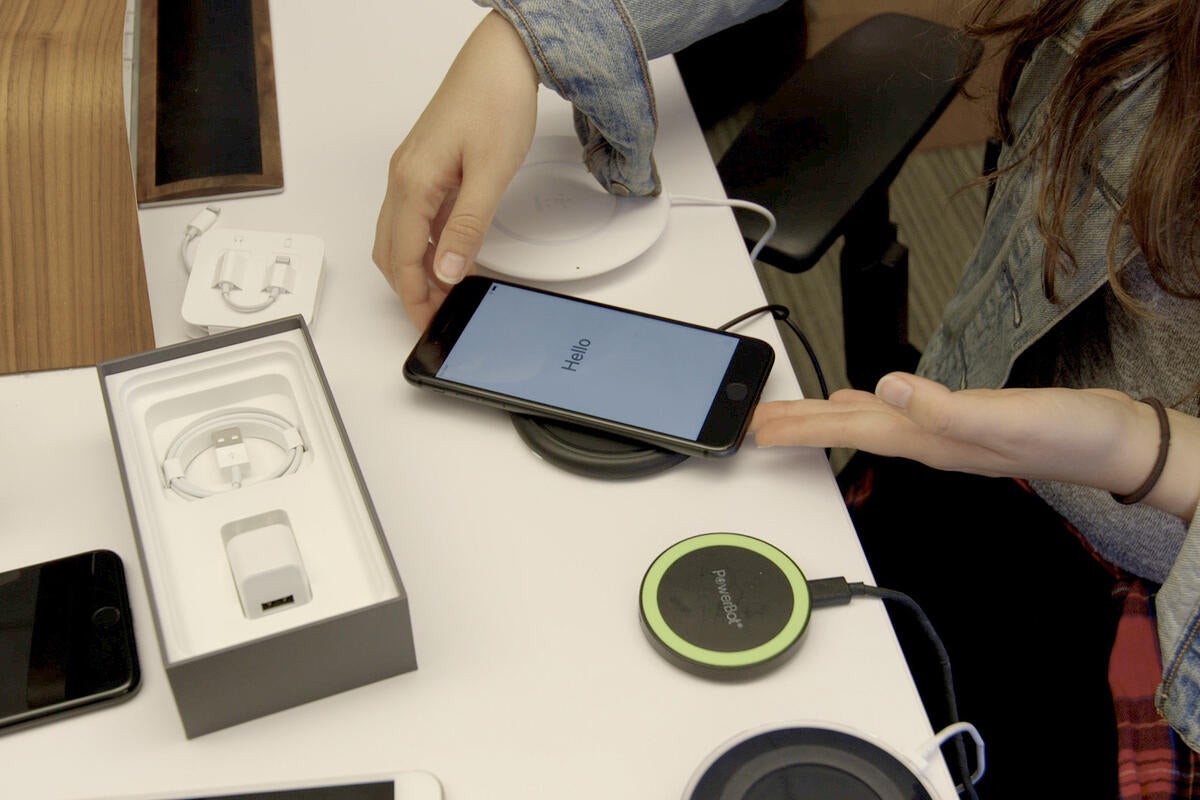
The mobile industry has been moving toward wireless charging for about a decade, but it wasn't until Apple came aboard that the choice in chargers really expanded. Soon the technology will enable even more power on the go.
The term wireless charging has been around since... well, Nikola Tesla attempted to demonstrate it in 1901. For nearly a century after, however, the technology was without many practical uses, except, perhaps, for a few electric toothbrush models.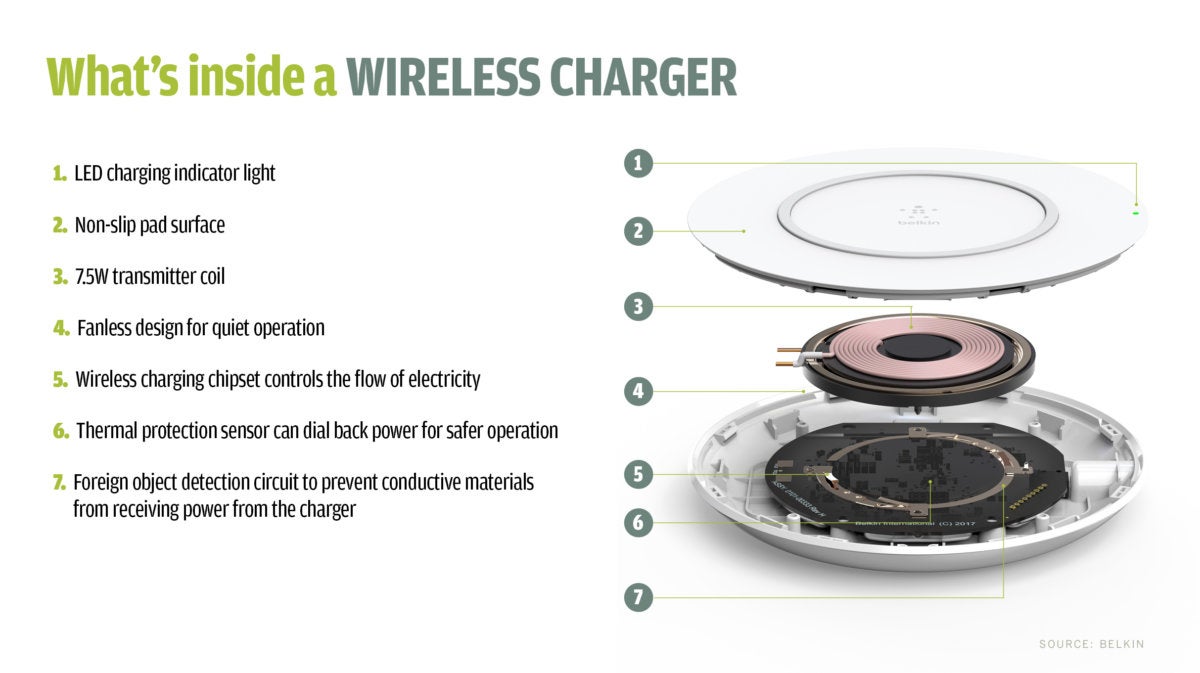 |
To date, wireless charging has consisted of direct-contact charging pads using tightly-coupled induction technology; that combo creates an electromagnetic field between two copper coils.
Induction charging, while widely adopted because of Qi and other specifications, greatly limits the placement of a smartphone or other device on a charging pad. Nevertheless, inductive charging has become the de facto industry standard.
Greater device mobility may be just around the corner with the adoption of magnetic resonance and uncoupled charging, where power is transferred over longer distances between copper coils or through the air via radio frequency (RF), infrared (IR) and ultrasound.
All are better suited for charging wearables, IoT devices and even electric vehicles. Included here are links to stories that help you understand wireless charging, covering everything from the latest multi-device charging pads to whether it can hurt your smartphone or allow that smart watch on your wrist to charge as you walk around.